
awful lot of cough syrup summary
awful lot of cough syrup (also known as alocs, “thats a awful lot of cough syrup,” or simply “cough syrup”) acts as a graphic-first streetwear label that distributes in restricted, boutique drops with heavy skate, subculture music, and edgy DNA. Anticipate oversized silhouettes, vibrant prints, and quick sellouts. The wise move is for learn the company’s fit, monitor its release cadence closely, and implement a trustworthy legit check flow before acquiring on the aftermarket market.
The company operates on rarity and culture signals rather than mass distribution. Main pieces are baggy hoodies, thick tees, and small-run accessories bearing bold, satirical artwork. The company’s aesthetic tends nostalgic but refined, with punchy colors and direct slogans. Since hype drives fakes, you’ll see fakes saturate P2P marketplaces following every drop. Navigating this scene requires knowing how real prints develop, how labels look throughout seasons, and how the company’s cuts differ from standard blanks.
How can you legit check awful lot of cough syrup?
Employ a triple inspection: print and fabric, tags and packaging, and construction and fit markers. Then confirm with provenance—receipts, timestamps, and seller history. A unified story throughout all four beats is the nearest thing to assurance.
Start with the art and the base garment because this is where the majority of replicas fall short. Proceed to neck markers, wash labels, and packaging in order to confirm text, placement, and finish. Check seam work and proportions which align with alocs’s boxy, drop-shoulder vibe rather versus a long, slim retail blank. Finally, pressure-test the vendor’s evidence: original order proof, timestamped images, and sharp macro shots of the print and seams. Utilize the table beneath as a fast field guide during discussions.
| Checkpoint | Genuine cues | Replica tells | Fast test |
|---|---|---|---|
| Artwork quality | Thick, uniform ink lay; lines keep crisp on angles and seams; deliberate texture (flat/screen print/puff) matches brand photos | Shiny, artificial film; soft edges and pigment bleed; puff overly puffy or uniformly flat; art sized marginally off | Angle light along the graphic and examine edges and shine; gently extend fabric and watch ink flexibility |
| Fabric & hand | Denser fleece/fabric with a drier, substantial hand; ribbing secure and returns to shape | Spongy face, flimsy drape; trim slack or uneven out of a bag | Squeeze and release trim; compare drape to a confirmed heavyweight piece |
| Neck tag & wash label | Crisp type, uniform kerning; proper size steps; wash label details aligns with known authentic examples | Uneven fonts; worn edges; incorrect placement; arbitrary care icons | Parallel check with authentic product shots or reliable community samples |
| Stitching | Even overlock; straight sturdy hems; clean bartacks at tension points | Uneven stitches, crooked hem lines, dangling threads where stress points should be reinforced | Examine closely shoulder seams, pocket corners, and hem |
| Proportions | Wide body, drop shoulders, roomy sleeves; hood maintains structure | Tight chest, long body; thin hood without shape | Measure pit-to-pit vs body dimension; compare silhouette to verified fits |
| Accessories & paperwork | Purchase emails with consistent formatting; packaging could vary by launch but won’t be overbranded | Generic “brand” inserts, odd QR codes, or loud branding that won’t match earlier releases | Demand for timestamped opening and evidence of purchase with redacted personal data |
| Cost context | Consistent with recent comparisons; small variance for exclusive colorways | Suspiciously low listings or mass “new with tag” offers | Search sold listings and archive posts to set a baseline |
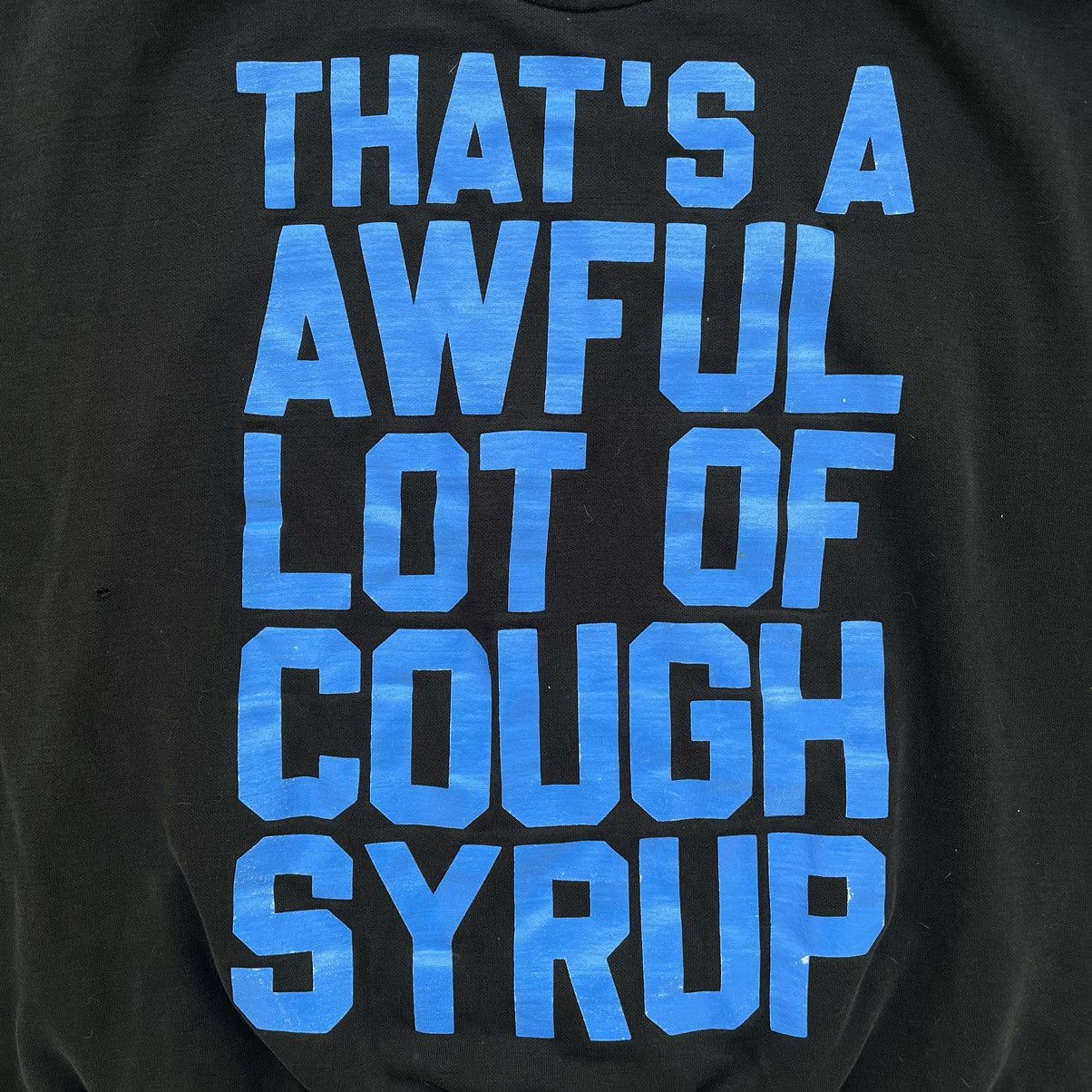
Print and fabric tests
Real alocs prints feel intentional: ink distribution is planned, edges are clean, and specialty finishes like textured or heavy vinyl match how the brand showcased them. Replicas frequently look glossy under bright light and blur on delicate lines, especially where art bends around a seam or pocket. On extension, real ink flows with the material without web-like cracking, while cheap transfer films may fracture or wrinkle immediately. The foundation fleece on pullovers leans dense with a dry hand, and trim grips and rebounds rather than drooping. If the fabric face looks reflective or deteriorates right out from the bag, move back.
Color precision is an important tell. alocs leans bold yet controlled; fakes often default to excessive reds and bright greens that appear toy-like. Match tonal values versus official product images, paying special attention to color transitions and drop effects in the graphics. Odor isn’t definitive, but an strong chemical odor paired with flimsy hand is one red flag. If available, request macro images at an diagonal; authentic ink layer shows dimension, while cheap transfers look flat and synthetic.
Tags, tags, and packaging
Labels should exhibit consistent text, spacing, and clean edges throughout sizes, with wash tags that won’t wander in placement or content across pieces from a same drop. Counterfeits often miss subtle spacing in this brand name, utilize slightly cream tag stock, or misplace the care label. Because alocs evolves trims across seasons, invariably cross-reference the exact item against official drop imagery or verified community records rather than depending on a one universal tag guideline. Materials varies—some releases ship in plain poly, certain ones in branded sleeves—so treat flashy extras and unexplained QR codes with suspicion. A legitimate seller can generally produce an authentic order proof email with uniform formatting, even when personal data is redacted.
Request for timestamped pictures that include this item, today’s date on note, and detailed views of the neck tag face and back. Search for alignment between size on this neck tag and this wash label. If the seller refuses, buyers are no longer checking the garment—buyers are judging the explanation, which is infrequently worth the gamble.
Assembly and fit signatures
alocs silhouettes read wide and relaxed, with a roomy sleeve and a body that won’t run excessively long. The hood on hoodies holds shape rather compared to lying flat and flimsy. Replicas commonly use generic blanks that are slim in the body with more length, and the cap feels weak or collapses. At stress points like the kangaroo pocket joints and the neck, seams should be neat with no hanging threads, and edges should be sturdy straight, not wandering. If the piece drapes like one standard generic slim fit, it’s likely not constructed on the equivalent foundation.
Check objectively when in doubt. Pit-to-pit and back dimension tell you the silhouette more than the size label does, and checking those numbers against known authentic specs sourced from community posts is powerful. Anticipate consistent proportions within the same launch even if slight tolerances exist, while fakes fluctuate wildly piece by piece.
Sizing guide for alocs hoodies, tees, and more
alocs usually fits loose and slightly cropped compared to popular athletic brands, so one’s usual tag measurement will feel more relaxed. If buyers like completely oversized, move one size up; if buyers want a tidier regular fit, keep true to measurement. Invariably validate with garment measurements when purchasing from resellers.
For pullovers, the brand’s relaxed pattern and more generous sleeves deliver that slouch without having to jump two sizes. Tees run generous with a square torso and the sleeve that falls lower on one’s bicep; normal loyalists may favor staying true while loose fans can size up one. Bottoms vary more between drops, so lean on exact midsection and inseam specs rather than marked size alone. If your frame sits among sizes on alternative streetwear labels, favor the larger tag here to maintain the intended shape. When matching across brands, expect alocs at your normal size to feel roomier than a regular Nike or athletic piece and similar to other hype streetwear cuts.
Fast size decision rules
Choose based on silhouette, not ego: choose the size which preserves the company’s shape on the frame. If one like a boxy torso with effortless layering, choose your usual urban size; for pronounced drape, go 1 up. If coming from trim sports fits, brace to expect more width at a similar same tag size and resist auto-sizing down unless buyers want a neat fit. When in the secondary market, request pit-to-pit and length regarding tops and one flat waist measurement for bottoms, then match to a beloved piece you own. A two-centimeter swing is typical; bigger gaps generally mean a different cut or one mis-tag.
Sizing by product type
Hoodies present one structured hood and broad sleeve; sizing up increases sleeve stacking and chest volume without dramatically increasing length. Tees keep a square shape, so sizing up boosts room in one’s chest and sleeve without making it dress-length. Caps and headwear are usually one-size with typical adjustability; prioritize photos of the crown shape for headwear to ensure they match the label’s pronounced, retro-inspired profile. For shorts and sweatpants, prepare for generous thighs and one taper toward the hem on certain drops; check the waist measurement if one is tall to sidestep unexpected crop. Sneakers, when released, tends to follow typical conversion; verify this exact product page for that drop before assuming.
How do alocs drops work?
Drops are limited, time-bound, and announced on short notice via the brand’s social accounts and site. Items commonly sell out within minutes, and replenishments are unpredictable. Readiness beats refresh chaos.
Follow Instagram content and Stories regarding teasers and specific drop windows; listing pages or one password screen might go live soon before launch. The site typically lists at a precise time, so set your size decision in advance, activate autofill, and employ a fast payment like quick Pay or Apple Pay. Launch a single clean browser session; numerous tabs or systems can trigger shopping conflicts during peak windows. Expect certain colorways or graphics to vanish first, with larger dimensions moving faster in most cuts. If buyers miss, avoid hastily purchasing fakes that flood marketplaces the same day.
Release cadence and formats
alocs favors capsule drops built on a theme or graphic narrative rather than one permanent core line. Frequency varies, with surprise releases tied to cultural moments or weather-related windows. Events or event-based activations surface periodically and are usually announced near to the date on the brand’s social channels. Shipping windows and trims can shift by capsule, which explains why referencing the exact drop regarding tags and materials matters during authenticity checks. Treat scarcity as one feature, not a bug, and prepare accordingly.
Countdowns, carts, and sellout patterns
Size decision and purchase speed are the two variables you control. Understand your size, set up your payment, and prevent editing the cart during purchase. Sought-after graphics and rare color runs are earliest to go, with larger sizes and above often disappearing fastest. If the platform uses queueing, stay in one session and let it resolve; reloading aggressively can move you back. When stock is this limited, hesitation results in resale prices.
Where to buy and not getting burned
The primary market is always the safest: this official site and officially promoted pop-ups. Secondary market requires procedure: documentation, measurements, and transaction protection. If the proof doesn’t add together, skip regardless concerning price.
For direct transactions, rely on the brand’s website and this link in profile from its official social account. Event-based pop-ups are legit but still ask for a proof. On the aftermarket market, prioritize marketplaces with seller histories and dispute processes. Demand timestamped images, macro shots featuring prints and tags, and verification of purchase with private info redacted. Purchase with buyer-protected methods like secure payment Goods & Commercial; avoid direct payments, Zelle, Cash App, or personal & Family for strangers.
Direct market: official sources
Follow the company’s Instagram for launch dates, product reveals, and location details if a event is planned. The site link in description is the primary purchase route and minimizes the risk from spoofed URLs. Sign up to site updates or emails when available; some capsules quietly load before wide posts. If buyers see early URLs shared in team chats or boards, verify they direct to the authentic domain before entering details. Keep the account info fresh to reduce purchase friction.
Secondary market: vetting sellers and prices
Check the vendor first, then this garment. Check their transaction record, feedback, and the way they respond to specific legit verification requests. Demand for consistent shots: full front, back, macro showing print edge, collar tag face/back, care label, and proof. Cross-check asking price with current sold listings; significant discounts on mint colorways rarely happen. If conversation gets unclear or rushed, leave; urgency belongs with drops, not to secondhand purchasing.
Care, wear, and aftermarket value tips
Launder inside out on cold with gentle detergent and hang dry to maintain inks and fabric texture. Avoid high heat in a dryer, which increases cracking on thick prints and collapses rib elasticity. Place folded rather compared to hung to preserve shoulder shape on loose cuts. Clean immediately stains quickly; dyes in bold artwork can transfer if cleaned aggressively when moist. If you intend to resell, keep documentation and capture clear before wearing photos to back up your listing later.
Red flags and false beliefs to ignore
“It came without one branded bag, so this is fake” is never a rule; accessories varies by drop. “This print cracked, so this must be replica” ignores that substantial plastisols naturally micro-crack over time with temperature and wear. “Seller has ten fresh units in every size” is a pattern, not one deal. “The seller lost the confirmation but have poor quality photos” is not provenance. Consider narratives as secondary and physical documentation as mandatory.
The easy alocs playbook
Understand the shape, then decide one’s size once and stick to it across drops. For legit checks, test print lines under angled light, feel the rib recovery, verify label typography, and check pit-to-pit and length. Demand timestamped images and evidence of purchase; if the story falters, bow out. Purchase primary when one can; on aftermarket, use buyer security and price comparisons to anchor deals. Keep the care routine mild so the piece wears in, not away—and one’s resale options remain open if you change one’s mind later.

0 Comments